
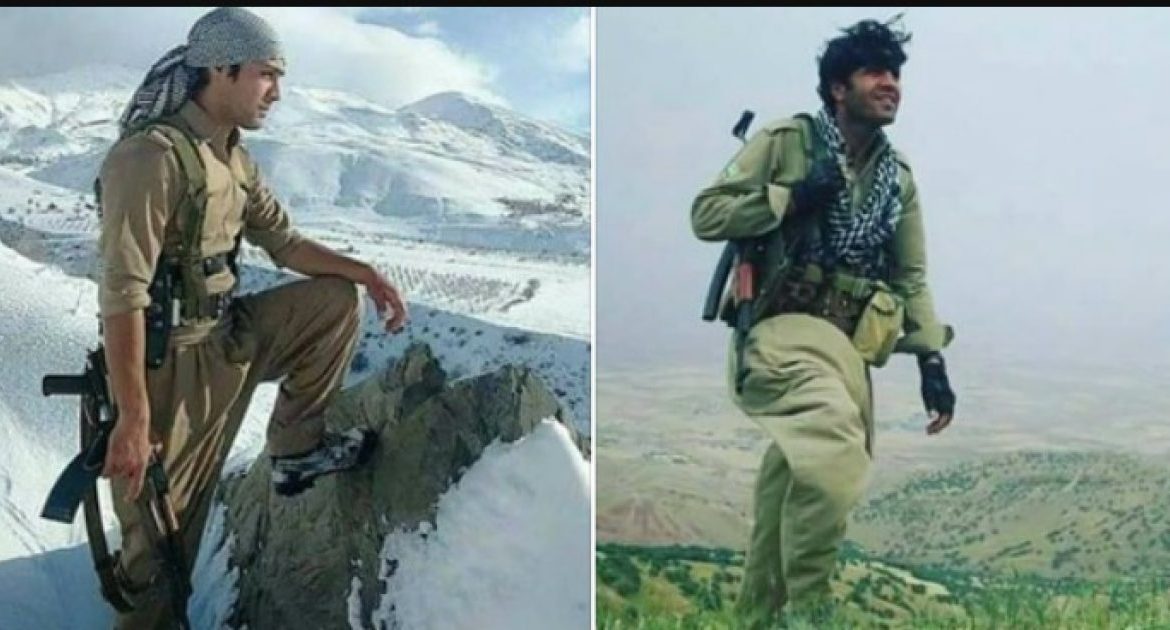
Trump May Arm Iranian Kurdish Militias: A Blow to the Regime, A Win for the Kurds Everywhere


The Trump administration has begun reaching out to Iranian Kurdish opposition groups and Iraqi Kurdish leaders as it considers ways to pressure Tehran during the expanding war.
According to Kurdish officials and people familiar with the discussions, President Trump spoke with Iraqi Kurdish leaders Bafel Talabani and Masoud Barzani, asking them to allow Iranian Kurdish fighters based in Iraq to move into western Iran and offering potential U.S. support, including air cover and logistical assistance, if Kurdish forces launched operations against the Iranian regime.
The White House did not confirm the scope of those discussions. White House press secretary Karoline Leavitt said Trump spoke with Kurdish leaders only “with respect to our base in northern Iraq,” and Secretary of War Pete Hegseth stated that U.S. military objectives are not based on arming any specific group.
Six days before the war began, five Iranian Kurdish dissident parties formed the Coalition of Political Forces of Iranian Kurdistan (CPFIK), comprising the Democratic Party of Iranian Kurdistan (PDKI), the Kurdistan Freedom Party (PAK), the Kurdistan Free Life Party (PJAK), the Organization of Iranian Kurdistan Struggle (Khabat), and Komala.
The coalition issued a joint statement calling on Iranian soldiers and security personnel in Kurdish regions to abandon the regime. Trump separately spoke with PDKI leader Mustafa Hijri, though the White House declined to discuss details of that conversation.
Pro-American Iranian Kurdish groups based in Iraq are preparing armed units that could enter Iran and open a new front in the conflict. Some Kurdish groups say their forces could cross the border within days if conditions become favorable, which would mark the first major ground force entering the war against Tehran. These groups have combat experience from fighting the Islamic State and have previously conducted attacks on Iran’s Revolutionary Guard.
Israel’s air campaign has focused heavily on military and security facilities in Iranian Kurdistan, targeting Revolutionary Guard bases, police stations, communications towers, and border posts near highways connecting the Iraqi border to Iran’s interior regions. Kurdish leaders interpret the strikes as designed to weaken Iranian defenses along the border and create conditions that could support an uprising.
The CIA has a long history of working with Iraqi Kurdish factions and currently maintains an outpost in Iraqi Kurdistan near the Iranian border. The agency reportedly provided small arms to Iranian Kurdish groups as part of a covert effort to destabilize Iran that predates the current war. However, analysts and former officials caution that Kurdish fighters lack the heavy weapons, numbers, and resources needed to seriously threaten the Iranian government and could not independently topple the regime or shape a postwar political outcome.
Kurdish participation has placed Iraqi Kurdish leaders in a difficult position. Barzani’s office declined to comment on the Trump call, and KDP member Ahmad Bakr stated publicly that the Kurdistan Region will not allow its territory to become a launching point for a ground attack on Iran or any other country, noting that the region has historically prevented Kurdish opposition groups from using it as a base for cross-border attacks.
Talabani confirmed the call took place but said the PUK believes the best solution is a return to the negotiating table. Iraq’s national security adviser stated that Baghdad will not allow groups to infiltrate or cross the Iranian border from Iraqi territory, and security forces have been reinforced along the border.
Iran has already launched more than 200 ballistic missiles and drones against targets in Iraqi Kurdistan since the conflict began, striking U.S. bases, Kurdish opposition facilities, and the U.S. consulate in Erbil, causing damage to civilian homes and infrastructure. The IRGC has also struck Kurdish positions specifically, saying it targeted groups intending to enter through Iran’s western borders.
At least one PAK fighter was killed. Iran-aligned Iraqi militias have separately struck Erbil, Sulaymaniyah, and energy facilities in the region, cutting electricity after a key gas field halted operations due to security concerns.
Kurdish regions inside Iran have historically faced severe repression from Tehran and were among the most active areas during recent anti-government protests. Kurdish political groups have long advocated either independence or federal autonomy.
Some Kurdish leaders believe a ground incursion could force Iranian military units to redeploy to the border, stretching IRGC resources and potentially allowing civilian protests in major Iranian cities to grow without being crushed. However, Kurdish leaders are divided over whether to cooperate, and analysts warn that fighters inside Iran are limited in number and may struggle to gain support outside Kurdish regions.
The Kurds have a long history of feeling abandoned by the United States, including after the 1991 Gulf War uprising in Iraq and after the 2019 Syria withdrawal. Kurdish officials say they oppose the Iranian regime but fear that if a rebellion fails and the United States withdraws, Kurdish communities could face severe retaliation from the IRGC.
Some Kurdish leaders are demanding political guarantees from Washington before committing to a major insurgency. As the conflict grows, Kurdish leaders remain caught between pressure from Washington to support anti-regime efforts and the risk of severe retaliation from Iran if the operation fails or U.S. support is withdrawn.
The post Trump May Arm Iranian Kurdish Militias: A Blow to the Regime, A Win for the Kurds Everywhere appeared first on The Gateway Pundit.